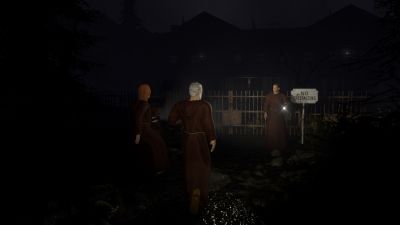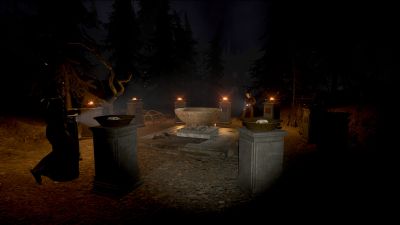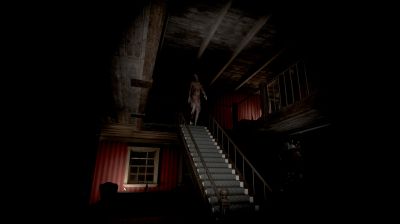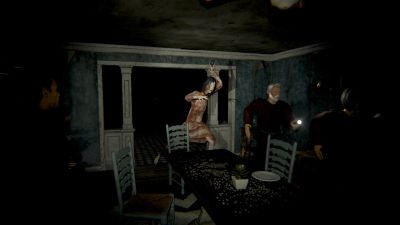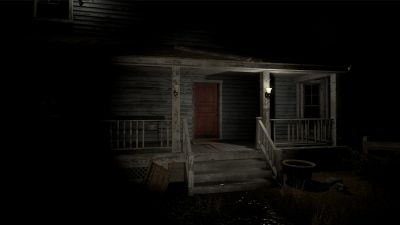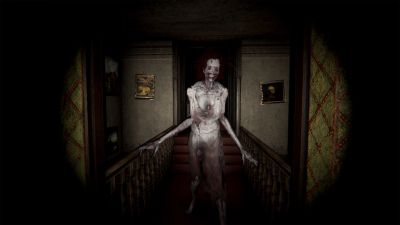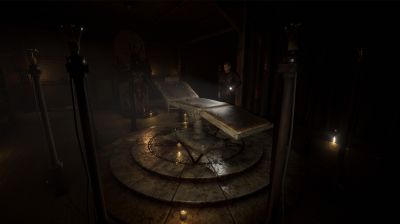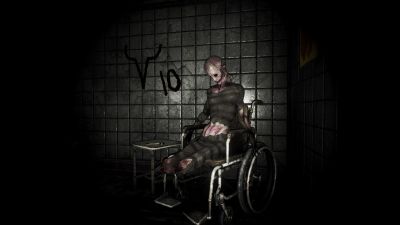













DEVOUR review

DEVOUR Review: A Chaotic Co-Op Horror Game That Thrives on Panic
There are horror games that try to frighten you with a dark hallway and a cheap jump scare, and then there are games like DEVOUR, which seem determined to suffocate your sense of safety from the first minute. I have spent enough time with co-op horror to know when a game is leaning on atmosphere alone and when it actually understands how to keep a group on edge. DEVOUR does the latter. It is frantic, messy, and often hilarious in the way only a truly tense multiplayer horror game can be. You and your team are not just sneaking through a haunted map for atmosphere points; you are scrambling to complete objectives while an escalating nightmare keeps closing in.
What makes DEVOUR stand out is that it does not waste time pretending to be calm. The match starts with a strange sense of purpose, but that feeling evaporates quickly as the pace rises and the enemy pressure becomes relentless. The structure is simple on paper: enter a map, perform rituals or tasks, survive the growing aggression, and get out. In practice, it becomes a panic exercise where communication, memory, and a bit of luck all matter. It is one of those games where the best moments are rarely the cleanest. Someone gets separated, someone panics over voice chat, someone forgets an important objective, and suddenly the whole team is spiraling. That chaos is the heart of the experience.
Fear That Works Because It Keeps Moving
DEVOUR succeeds because it understands momentum. Horror loses power when the player has too much time to settle in, and this game rarely gives you that comfort. The threat level ramps up in a way that feels fair, but never forgiving. I like that the game keeps pressure on without turning every encounter into a scripted scene. The enemy behavior and event pacing create a constant state of unease, which is exactly what good co-op horror should do. You are not just waiting to be scared; you are actively managing the next disaster.
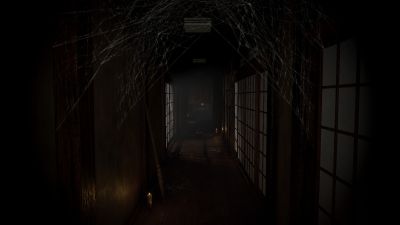
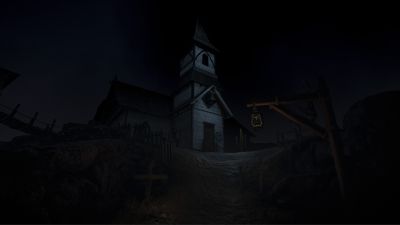
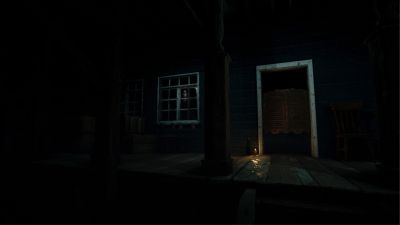
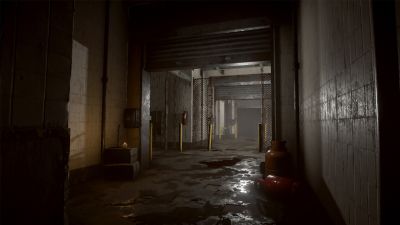
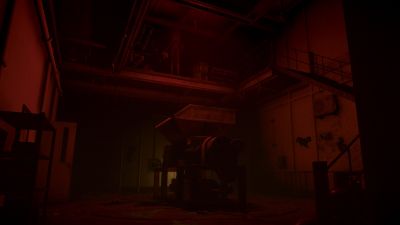
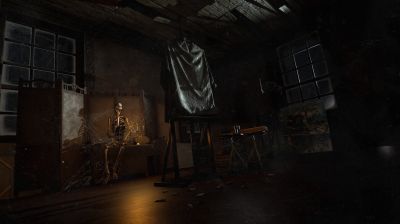
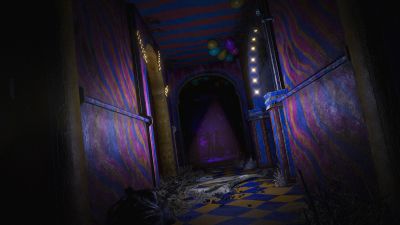
The maps also help a great deal. Each location has its own visual personality and enough spatial confusion to make navigation feel risky. You are never fully sure whether the next turn leads to progress or trouble, and that uncertainty is doing a lot of the heavy lifting. DEVOUR is smart about using darkness, sound, and environmental clutter to make the player feel exposed without relying on gimmicks. Even when you know the route, the game can still catch you off guard because it twists familiar spaces into hostile ones.
Co-Op Panic Is the Real Game
If you play DEVOUR alone, it can still be frightening, but the real magic happens when you and a few friends are trying to hold everything together. This is where the game becomes more than a horror title and turns into a shared survival story. Every session produces those chaotic moments that people remember later: the missed turn, the defective plan, the clutch revive, the desperate voice call, the exact second everyone realizes the situation has gone from manageable to hopeless.
The voice chat layer matters because the game’s design rewards coordination without making it feel like homework. You can play with strangers, but a tight group makes the whole experience richer. That said, DEVOUR never becomes too dependent on expert-level play. Even casual teams can enjoy it because the fear and tension are immediate. You do not need to memorize a giant guide just to survive. Still, learning the map and timing makes a noticeable difference, and that gives the game replay value beyond the initial shock.
Where the Design Gets Smart
What impressed me most is how DEVOUR turns basic objectives into stress tests. The tasks are usually straightforward, but the environment and enemy pressure make them feel significant. Picking up an item matters. Crossing a room matters. Choosing when to split up matters. This is elegant horror design because the game does not need a complicated ruleset to generate tension. It simply makes ordinary decisions feel dangerous.
I also appreciate that the game does not over-explain itself at every turn. Some horror titles hold your hand so thoroughly that the tension dissolves. DEVOUR trusts the player enough to let the uncertainty breathe. You are expected to learn by doing, by failing, and by adapting. That gives each successful run a genuine sense of earned progress.
Visuals, Sound, and the Art of Unease
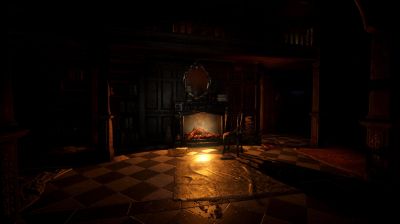
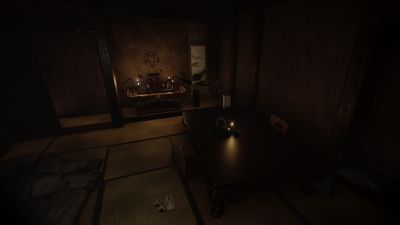
From a presentation standpoint, DEVOUR is effective rather than flashy, and that is the right call. The visuals are not trying to compete with blockbuster spectacle. Instead, they serve the mood. The lighting does a lot of work, the locations are intentionally oppressive, and the enemy presence is designed to cut through your focus. It may not be the most technically polished horror game on the market, but it knows how to create dread on a budget.
The sound design deserves special credit. Horror lives or dies by audio, and DEVOUR uses it to manipulate the player constantly. Distant noises, sudden shifts in intensity, and the unmistakable cues tied to escalating danger all keep you uneasy. Good audio in horror should feel like a warning system and a threat at the same time, and this game nails that balance. Even when nothing is visibly happening, there is often a feeling that something is about to.
Replay Value, Difficulty, and the Long Haul
DEVOUR has enough variety to justify repeat sessions, especially if you enjoy experimenting with routes, roles, and pacing. The difficulty is part of the identity of the game, and that will not suit every player. Some will bounce off the relentless pressure, particularly if they prefer horror with more downtime. But if you want a session that keeps your pulse elevated from start to finish, this delivers. The game also benefits from its social nature; one run never feels exactly like the last because the human factor changes everything.
There is also an interesting tension between mastery and chaos. As you become more familiar with the maps and objectives, the game becomes less about confusion and more about execution under pressure. That transition is welcome. It means the game does not lose all of its teeth once you understand it. The fear changes shape, but it remains. For a co-op horror game, that is a valuable trait.
As for cheats and mods, the scene is not the main draw here, and I would not recommend depending on either to enjoy the game. The fun comes from the intended challenge, not from breaking it apart. Some players do look for mods or custom tweaks, but the base experience is already built around replayable tension. If you are after a pure horror run, you will probably want to keep it clean and play as the developers intended.
Should You Download DEVOUR?
Yes, if you want a co-op horror game that knows exactly what kind of panic it wants to create. DEVOUR is not subtle, and that is a compliment. It is a game about pressure, teamwork, and the kind of fear that becomes fun when shared with other people. If you mostly play horror for atmosphere alone, you may find the intensity exhausting. But if you like a game that can turn a normal night into a series of frantic decisions and loud apologies, this is well worth a download and a proper play session.
It is also the type of game that benefits from a group looking for something immediate. You do not need to install a massive campaign or learn an elaborate combat system. You just jump in, adapt, and survive as long as you can. That simplicity is part of why it works so well. DEVOUR is easy to start, difficult to master, and memorable because it consistently creates stories out of panic.
For players searching across platforms and wondering where to find it free, the short answer is that DEVOUR is primarily a PC title and is normally available through major storefronts rather than as a free release. If you are hoping for unblocked access at school or work, that depends on the network restrictions in place, but it is not built for restricted environments by default. The essentials are simple: get it on PC, invite a few friends, and prepare for a rough night.
How to download DEVOUR
Availability & Launch: DEVOUR is available on PC through major digital stores, and it is typically not free. You can download it from official storefronts after purchase.
Platforms: The game is officially available on PC. It is not natively supported on console, Android, or Mac, so those platforms would require cloud streaming, remote play, or an emulator-style workaround if you are trying to access it there.
Install: After purchase, open your store library, click install, wait for the files to finish downloading, then launch the game from the client or desktop shortcut.
System Requirements: On PC, a modest modern CPU, 8 GB of RAM, a dedicated graphics card, and stable internet for multiplayer are a good baseline. Mac and Android are not officially supported, so there are no standard native requirements for those.
Cheats / Mods: Cheats are not part of the core experience, and mods are not the focus of the game. Some community tweaks may exist, but using them can affect stability or multiplayer fairness.
Unblocked Access: DEVOUR is not designed for unblocked play in restricted school or work environments. Access usually depends on the network rules in place, and multiplayer may be blocked by firewalls or permissions.