











Digimon Story Time Stranger review

Digimon Story Time Stranger Review: A Polished Monster RPG with Heart and Strategy
Digimon Story Time Stranger Review: A Familiar Bond with a Stranger Twist
There are few RPG series that can make me feel like I’m back in a handheld era while still reminding me that modern party-based systems have come a long way, and Digimon Story Time Stranger lands right in that sweet spot. As an experienced gamer, I went in expecting the usual mix of monster collection, turn-based battles, and a story built around friendship, mystery, and just enough digital weirdness to keep things interesting. What I got was a game that knows exactly what it is, leans into its identity with confidence, and offers enough mechanical depth to keep me planning team builds long after the opening hours.
This is not a game that tries to reinvent the genre. Instead, it polishes it. It refines the loop of exploring, recruiting, evolving, and fighting with a satisfying rhythm that feels easy to play at first, but has enough layers to reward players who like to optimize. If you’re looking for a Digimon RPG that respects your time while still giving you reasons to experiment with different forms, abilities, and party setups, Time Stranger makes a strong case for itself.
Story and tone: where the game finds its edge
The opening does what good Digimon stories usually do: it pulls you into a world where the line between the real and the digital is thinner than it should be. Time Stranger uses that idea well, building a narrative that mixes personal stakes with larger-scale digital instability. It has that classic Digimon energy of small emotional moments sitting beside world-ending danger, and I mean that in the best way. Not every scene hits with equal force, but the overall tone is warm, slightly eerie, and occasionally surprisingly sharp.
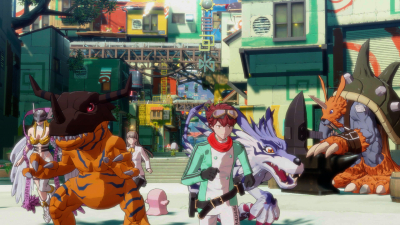
What stood out to me most is how the game handles its cast. Your allies are not just battle assets; they’re part of the story’s momentum. The dialogue can be playful, with some of that anime-style confidence that longtime fans expect, but it also does a decent job of making the journey feel like a shared one. I wouldn’t call the writing revolutionary, yet it carries enough charm that I wanted to keep moving forward just to see how the next thread would unfold.
Combat that rewards planning, not just brute force
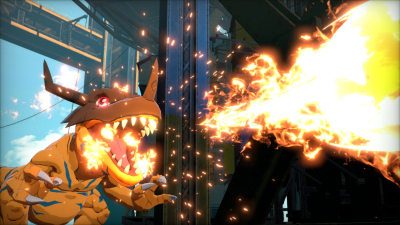
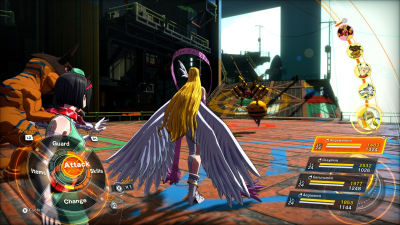
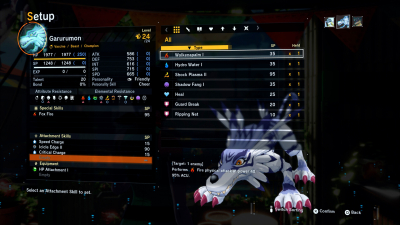
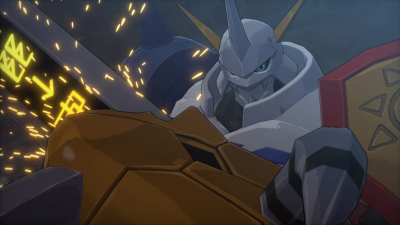
Turn-based combat in Digimon Story Time Stranger is where the game really earns its keep. It is built around the familiar strengths and weaknesses system that Digimon fans know well, but the execution feels tighter than in many genre peers. I found myself constantly adjusting my lineup based on enemy types, status effects, and evolution paths rather than simply relying on my strongest monsters. That matters, because the game makes it clear that smart preparation is often more valuable than raw stats.
There’s a strong sense of pacing in battles. Encounters move quickly enough that you don’t feel dragged down, but they still ask you to think. Late-game fights especially force you to pay attention, which I appreciated. Too many RPGs let you coast on one overpowered setup; Time Stranger encourages rotation, adaptation, and a willingness to test new combinations. If you enjoy discovering efficient party synergies, it scratches that itch beautifully.
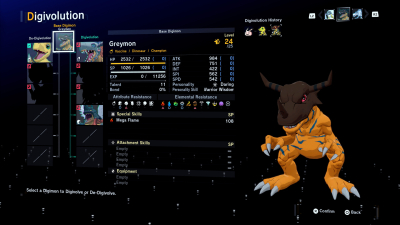
The evolution system also keeps the combat loop alive. Chasing new forms is a big part of the appeal, and the game makes progression feel meaningful without turning it into a chore. Every time I unlocked a new branch or pushed a favorite Digimon into its next stage, it felt like genuine progress rather than just a menu upgrade.
Exploration, pacing, and the day-to-day loop
Outside of combat, the game’s structure is steady and approachable. Exploration mixes story progression with side objectives, item searching, and the occasional detour that leads to a better team setup. It’s not an open-world marathon, and honestly, that works in its favor. The areas are compact enough to feel manageable, but varied enough to avoid visual fatigue. That balance matters in a long RPG.
The pacing is also one of the stronger points here. Digimon Story Time Stranger does a solid job of giving you meaningful milestones without overloading you with excess mechanics too early. You’re learning, experimenting, and building momentum at a rate that feels natural. For players who want to download and play something that respects their schedule, that kind of structure is a real advantage.
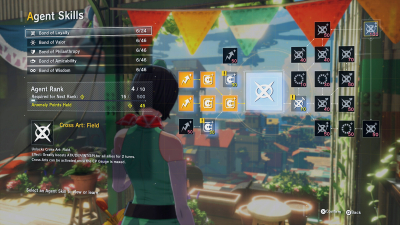
I also liked how the game avoids unnecessary complexity in its navigation. There’s enough to do, but not so much clutter that you’re constantly buried in menus. As someone who has spent many hours in monster RPGs where the interface becomes the real final boss, I appreciated the cleaner approach here.
Presentation: stylish without trying too hard
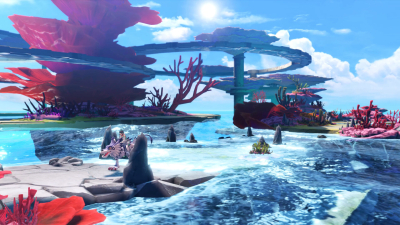
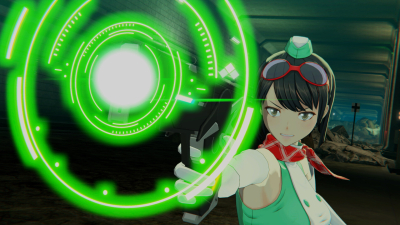
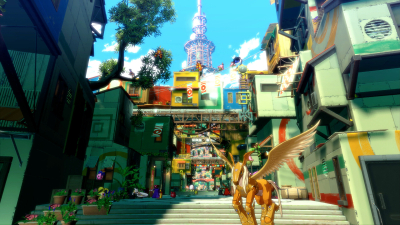
Visually, Time Stranger doesn’t rely on spectacle alone. Its presentation is focused, colorful, and confident in a way that suits the Digimon brand. Character designs pop, Digimon models are easy to read in battle, and the environments have a digital-world flavor that feels cohesive rather than random. It may not be chasing the most extravagant visual benchmark on the market, but it has style where it counts.
The soundtrack helps a lot. Good RPG music can sustain hours of play, and this one understands that job. The battle cues push momentum forward, while the exploration themes carry a bit of mystery and wonder. I wouldn’t rank it among the most iconic game soundtracks I’ve heard, but it absolutely supports the experience without fading into the background.
Performance, at least in my playtime, was generally steady. That’s the sort of thing many players only think about when it goes wrong, so it’s worth noting when a game gets the basics right. Whether you install it for a full campaign or jump in for shorter sessions, it feels built to stay out of the way and let the actual game shine.
Where it stands for longtime fans and newcomers
For Digimon veterans, Time Stranger feels like a well-made continuation of the formula rather than a risky reinvention. It understands the value of collecting, evolving, and building a roster that reflects your playstyle. For newcomers, the game is surprisingly welcoming. It explains its systems with enough clarity that you won’t feel lost, even if you haven’t touched the franchise before.
That accessibility is one of the game’s quiet strengths. It doesn’t demand encyclopedic knowledge of Digimon history, though fans will still catch plenty of references and enjoy the broader universe connections. If you’re just looking for a solid monster collecting RPG to free yourself from repetitive mainstream loops, this one has the personality and the systems to stand on its own.
It’s also the kind of title that invites replay value. Trying different team compositions, pushing alternative evolution routes, or experimenting with challenge runs can easily extend the lifespan. I can already see players discussing strategies, sharing build ideas, and looking for cheats or mods just to bend the experience in interesting ways, even if the base game is satisfying on its own.
Final verdict
Digimon Story Time Stranger is not a loud reinvention, and it doesn’t need to be. It is a confident, well-structured RPG that knows how to deliver the core Digimon fantasy: recruit unusual allies, build bonds, evolve strategically, and survive a digital crisis with style. Its combat has bite, its progression feels rewarding, and its presentation has enough charm to keep the journey memorable.
If you want a game that you can download, install, and play with minimal fuss while still offering real depth, this is an easy recommendation. It may not be the flashiest entry in the genre, but it has the rare quality of feeling like it was made by people who understand why this style of RPG still matters. For me, that makes it worth your time.
How to download Digimon Story Time Stranger
Availability & Launch: Digimon Story Time Stranger is expected to be available through official digital storefronts at launch. Check the publisher’s page or your preferred store to download it safely. It is not a free game unless a special promotion or trial is announced.
Platforms: Look for the game on supported platforms listed by the publisher. If a version is not available on your device, there may not be a native build, so avoid relying on unrelated emulators unless an official release is missing. Always verify the platform before you install.
Install: Buy or claim the game from the official store, download the client, and follow the on-screen steps to install. After that, launch the game, sign in if needed, and let any first-time updates complete before you play.
System Requirements: For PC, expect a modern CPU, 8 GB RAM or more, and a dedicated GPU for smooth play. If a Mac or Android version exists in your region, check the store page for device-specific requirements since specs can vary widely.
Cheats / Mods: Cheats and mods are usually not part of the official experience unless the developer allows them. Use caution with third-party files, especially if you want stable performance and safe online access.
Unblocked Access: The game is unlikely to be unblocked in school or work environments unless your network allows gaming traffic and the necessary store or launcher is accessible. For the cleanest experience, download and play it on a personal connection.