











Backrooms: Escape Together review

Backrooms: Escape Together Review — Atmospheric Co-op Horror in a Liminal Nightmare
Some horror games rely on cheap jolts and loud noises; Backrooms: Escape Together takes a different route. It leans into that creeping, off-kilter dread that settles in your head and refuses to leave. As someone who has spent far too many nights wandering digital ruins, I can say this one understands the real fear of being lost somewhere that feels familiar and wrong at the same time. The premise is simple: enter the endless maze, stay together if you can, and find a way out before the place starts to feel like home. That simplicity is exactly why it works.
What makes Backrooms: Escape Together stand out is the social tension. This is not just a solo maze crawl with friends tagging along like spectators. Every hallway, dim room, and buzzing light becomes more interesting when someone else is nearby, especially when the sound design begins to warp your sense of direction. One player hears movement. Another sees a path that may or may not be real. Suddenly, the map in your head is no longer trustworthy. That uncertainty is where the game finds its strongest rhythm.
First impressions: the maze gets under your skin fast
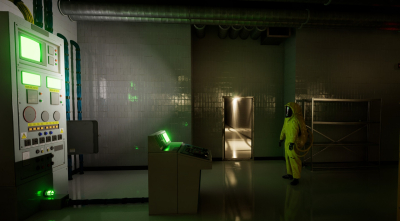
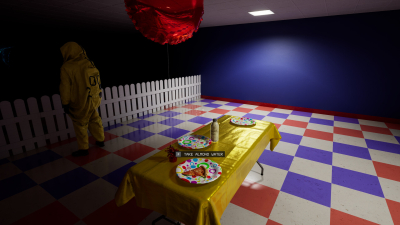
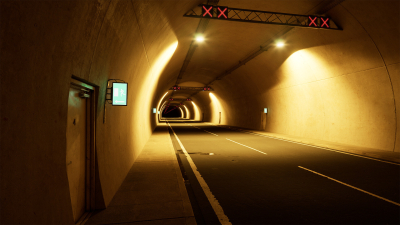
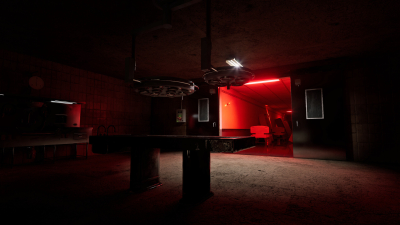
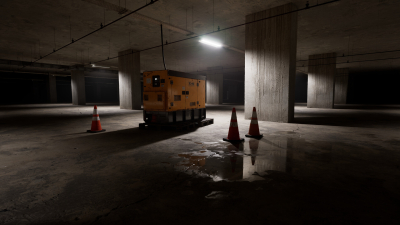
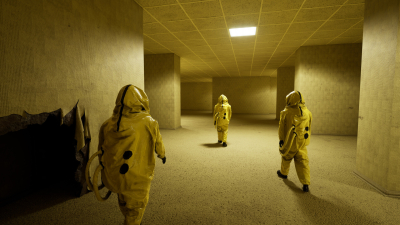
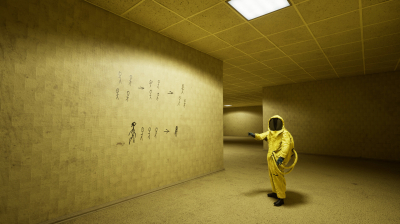
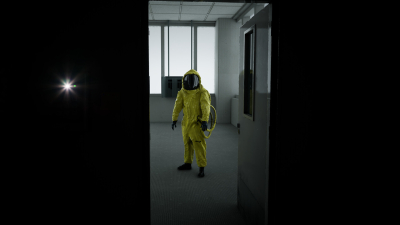
The first hour is the most convincing. You’re dropped into an interior space that feels endless, sterile, and wrong in the way only the Backrooms concept can manage. The visual style does a lot with a little: faded carpet, yellowed walls, harsh fluorescent lighting, and repeating architecture that makes every turn feel suspicious. It isn’t visually flashy, but it doesn’t need to be. The oppressive sameness does the heavy lifting.
For players looking to download a cooperative horror game that focuses on atmosphere over spectacle, this one gets the basics right. The layout is disorienting without feeling random, and that balance matters. A maze that is too chaotic becomes frustrating; one that is too structured becomes predictable. Backrooms: Escape Together lives in the middle, where tension can actually build.
The audio work deserves special mention. Footsteps echo in ways that are hard to judge, distant sounds seem to drift through the walls, and the ambient hum of the environment creates a constant low-grade unease. You’ll often think you heard something just behind you, then spend the next thirty seconds second-guessing whether your own movement triggered the fear in your head. That psychological pressure is the game’s best weapon.
Playing together changes everything
The title is not exaggerating. Cooperation matters, but so does trust, and those are not the same thing in a horror game. When you play with friends, the experience becomes a kind of stress test for communication. One person wants to explore. Another wants to stay near a route marker. Someone else is convinced they spotted an exit, which usually means a detour into another dreadful dead end. That unpredictability makes sessions memorable.
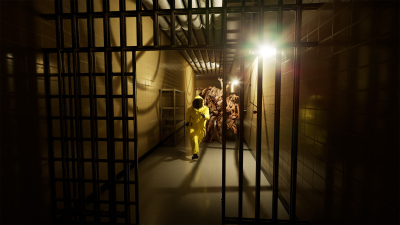
Unlike many co-op horror games that turn into chatty scavenger hunts, Backrooms: Escape Together keeps the pressure high enough to make every group decision feel important. If you separate, the game becomes more dangerous and more personal. If you stay close, you risk moving in circles and wasting precious time. It’s a smart design choice, because it creates a natural tug-of-war between caution and curiosity.
There is also a nice edge to the way the game handles discovery. I appreciate that it doesn’t hand out comfort too quickly. You can learn the space, yes, but the environment keeps mutating your confidence. A route that felt safe earlier may become a trap later. That keeps the loop fresh, and it makes each successful escape attempt feel earned rather than scripted.
Visuals, pacing, and the psychology of repetition
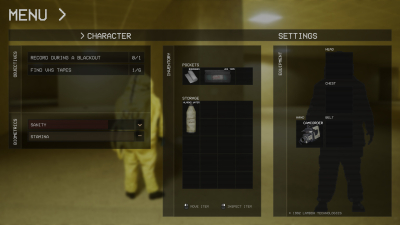
The Backrooms aesthetic has been explored plenty of times, so any new game in this space needs either a strong twist or a very disciplined execution. Backrooms: Escape Together chooses discipline, and mostly that is the right call. It does not overcomplicate the concept with noisy systems or cluttered menus. The presentation stays focused on dread, exploration, and the sensation of being trapped in a place that refuses to make sense.
The pacing is slow, but not sleepy. That distinction matters. There are long stretches where you are simply moving, listening, and trying to build a mental map, yet the game rarely feels idle because the environment itself acts like an antagonist. Every empty room is a question. Every corridor is another chance to be wrong. For me, that’s the kind of horror that ages better than action-heavy scares. It gives your imagination room to do damage.
I also like how the repetition becomes part of the appeal instead of a flaw. Repeated textures, similar hallways, and near-identical spaces are not just aesthetic choices; they’re the source of tension. You start looking for tiny differences, and if you’ve spent enough time in games like this, you know those details matter. That’s where the best moments come from: noticing a change a little too late, or realizing your group has wandered into a section that feels subtly, deeply off.
Content depth and replay value
Backrooms: Escape Together is strongest as a session-based experience. It gives you a situation, a threat, and enough uncertainty to make every attempt feel a bit different. The replay value comes from the interplay between players and the shifting sense of place, not from a giant feature list. If you need a huge progression system or endless unlocks, this may not fully satisfy you. If you want a mood-heavy game you can return to with friends, it lands much better.
As for cheats and mods, the game’s appeal is built around fair tension, so I would be cautious about anything that removes the uncertainty. Mods may exist depending on the community and supported platforms, but they should be treated as optional extras rather than part of the core experience. Cheats, on the other hand, can easily drain the atmosphere that makes the game special. In a horror title like this, knowing too much often ruins the point.
Who should play it?
If you enjoy cooperative horror, navigation challenges, and games that make silence feel dangerous, this is worth your time. It is especially good for players who like discussing strategies while also panicking when those strategies fall apart. If you prefer constant combat or clear objectives every minute, the game may feel too restrained. But if the idea of exploring a hostile, liminal environment with friends sounds appealing, there’s a lot to like here.
I would also recommend it to anyone who wants to play something that can be enjoyed in short bursts or longer sessions depending on the group. That flexibility helps it fit into a lot of gaming routines. It is not the kind of title you need to overplan around; you can install it, gather a couple of friends, and let the atmosphere do the work.
Final verdict
Backrooms: Escape Together succeeds because it understands the core fantasy of the Backrooms better than many of its peers: not just fear, but uncertain endurance. The best horror doesn’t always attack you directly. Sometimes it just leaves you alone in a place that feels like it has been waiting for you for a long time. This game captures that feeling well.
It may not reinvent the formula, and some players will want more content or more mechanical variety, but the tension, soundscape, and co-op dynamic make it a compelling download for fans of atmospheric horror. It is one of those games that gets better when everyone commits to the mood. The more seriously you treat the space, the more it gets under your skin.
For me, that’s the mark of a successful horror experience: one that lingers after you stop playing. Backrooms: Escape Together does exactly that. It is unsettling, memorable, and easy to recommend if you’re looking for a game to play with friends when you want something unnerving rather than noisy. It may not be for everyone, but when it clicks, it really clicks.
How to download Backrooms: Escape Together
Availability & Launch: Backrooms: Escape Together is typically available through PC storefronts, and in many cases it may be free-to-play or offered at a low price depending on the release version. Check the official store page to confirm current access before you download.
Platforms: The main platforms are usually PC first, with other platforms depending on the developer’s support. If a version is not native on Mac or Android, players may need a cloud service, remote play, or an emulator to access it. If console support is listed by the publisher, download it from the relevant console store.
Install: After you download the game from the official store or launcher, follow the prompt to install it, sign in if required, then launch from your library. Keep storage space available and update the client if the game requests it.
System Requirements: On PC, expect modest minimum specs for an indie horror title, though actual requirements depend on updates. For Mac and Android, availability may vary, and supported builds should list the minimum device version directly on the store page.
Cheats / Mods: Cheats are generally not recommended in a game built around tension. Mods may exist if the community supports them, but check the developer’s rules first, as unofficial edits can affect stability or multiplayer balance.
Unblocked Access: Backrooms: Escape Together is not guaranteed to be unblocked in school or work networks. If access is restricted, you may need to use an approved network or a legitimate cloud option where allowed.