












PEAK review

PEAK Review: A Focused, Challenging Co-op Climb Worth Repeating
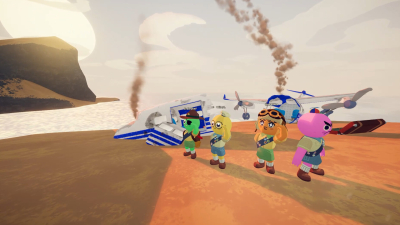
PEAK is one of those games that looks simple from a distance, then quietly eats your evening whole. I went in expecting a short burst of co-op climbing chaos and came out with the familiar mix of triumph, irritation, and “just one more try” that only the best multiplayer survival games can trigger. If you like a challenge that feels physical even though you are sitting still, PEAK delivers that in spades. It is lean, tense, and surprisingly stylish, with enough rough edges to keep every ascent interesting.
What makes PEAK stand out is how confidently it commits to a single idea: vertical survival with your team is the entire point. There is no fluff here, no bloated menu of side systems trying to distract you, just a mountain, your squad, and a steady stream of mistakes waiting to happen. That focus gives the game a kind of old-school confidence. It wants you to learn the terrain, manage your stamina, communicate in real time, and accept that progress is never guaranteed. In a market packed with overdesigned co-op experiences, that restraint feels refreshing.
Climbing under pressure never gets old
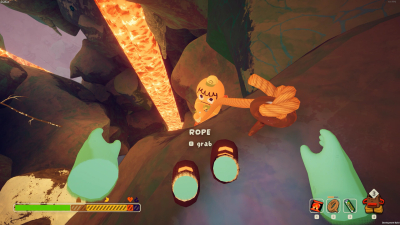
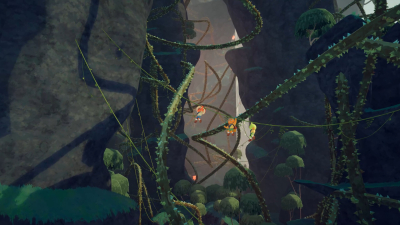
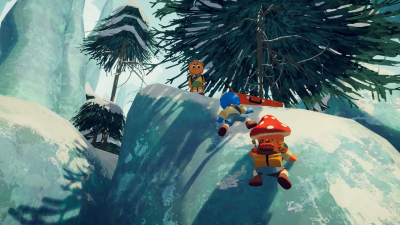
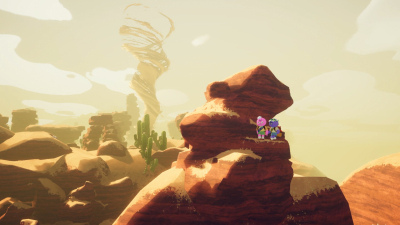
The heart of PEAK is movement, and movement is where the game earns its name. Every ledge matters. Every jump has weight. Every decision about whether to rest, push forward, or help a teammate can change the shape of an entire run. The climbing itself is tactile in a way that most games only pretend to be. You are not simply pressing a button to ascend; you are planning your route, reading the environment, and working around your own mistakes. That tension creates a steady rhythm that is both demanding and satisfying.
What I appreciate most is how the game avoids making success feel automatic. In some co-op titles, once you learn the basics, the friction disappears. PEAK keeps the friction. Even when you understand the route, the terrain still gets the last word. Weather shifts, awkward handholds, and the consequences of poor coordination can turn a promising run into a scramble. It is frustrating in the best way, because the game never feels unfair for the sake of it. It feels demanding, which is a much better deal.
Co-op is where PEAK becomes memorable
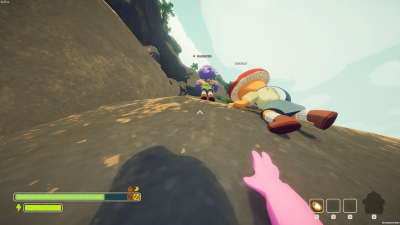
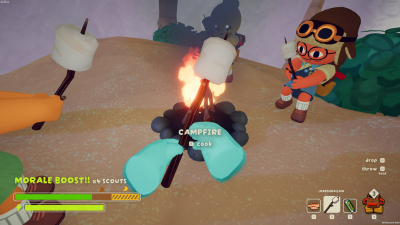
PEAK is absolutely at its best when played with people who can laugh at failure without losing focus. The game creates stories naturally, without scripted drama. One player overcommits and slips. Another tries to recover the situation and makes it worse. Someone insists there is a safer path, then immediately proves otherwise. These moments make the game feel alive. You do not just play PEAK; you survive it together.
The communication layer is essential, and that is a compliment. In co-op games, teamwork can often feel optional if the systems are forgiving enough. Here, it is the entire engine. When your group is in sync, the climb feels brilliant. When coordination falls apart, the fantasy collapses into panic in a way that is still funny twelve seconds later. That dynamic gives PEAK a strong social identity. It is not a game for people who want quiet efficiency. It is for players who enjoy the mess.
There is also a nice balance between shared objectives and personal responsibility. You can help each other, but you cannot carry an unprepared group forever. That keeps everyone engaged and prevents one player from becoming the entire solution. It is a subtle design choice, and it matters. Good co-op games make teamwork feel rewarding; great ones make it necessary. PEAK understands the difference.
Visual style and sound design support the climb
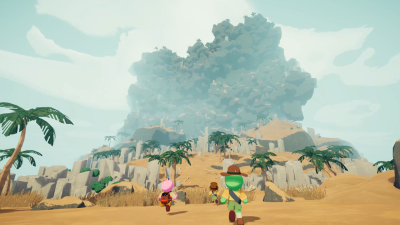
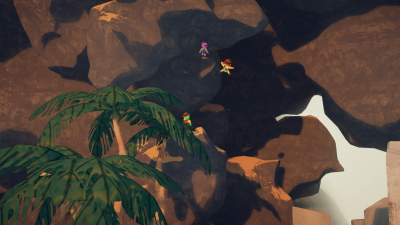
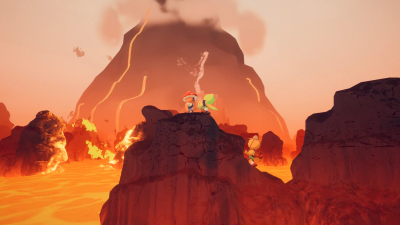
PEAK does not try to overwhelm you with spectacle, and that works in its favor. The presentation is clean and readable, which is exactly what a game like this needs. When you are scanning a vertical environment for a viable route, clarity matters more than flashy effects. The art direction helps the action stay legible even when things get hectic, and that makes mistakes feel fair. You know what happened, even when it happened fast.
The sound design does a lot of heavy lifting too. Small audio cues reinforce the physicality of the movement, while environmental sounds keep the world feeling present without drowning out communication. That is important in a game built around split-second judgment. Too many games in this space make noise for noise’s sake. PEAK keeps its soundscape disciplined, and the result is stronger than any bombastic overload would have been.
Replayability, challenge, and the urge to keep going
PEAK knows exactly what keeps players returning: the promise that the next run might go better. That’s a powerful hook, and the game uses it well. Because no climb feels identical, each attempt carries its own little drama. Sometimes the route is manageable and your group performs beautifully. Sometimes everything that can go wrong does, and somehow that becomes the highlight of the session. The game is built for those repeat attempts, and it rewards persistence.
There is real charm in how PEAK frames failure. Instead of making you feel like you wasted your time, it turns setbacks into lessons. That matters a lot in a game where progress is tied to skill, communication, and patience. The learning curve is part of the fun, not a barrier to it. For experienced players, that is a good sign. It means the game trusts you to improve rather than handing you success on a platter.
If you are the type who enjoys mastering systems, testing routes, and refining tactics, PEAK has plenty to offer. It is not a sprawling sandbox, and it does not need to be. Its scope is focused enough that every mechanic feels intentional. You can sense a design team that understood the value of polish over excess.
Content depth and community extras
One thing players will naturally look for after the first few sessions is whether PEAK has room for long-term variety through cheats, mods, or custom tweaks. That depends heavily on the version and community support around the game. In general, the core appeal is still the official challenge loop rather than any altered experience. If mods arrive or are supported later, they could extend the game’s lifespan nicely, but the base design already stands on its own. As for cheats, they may undermine the entire point of the climb, so I would only expect them in informal or experimental settings rather than as a serious way to play.
The better question is whether the game stays engaging without outside help, and for me the answer is yes. PEAK does not need tricks to justify another session. It is compact, focused, and replayable in a way that many larger games never quite manage. That makes it easier to recommend to players who value quality over quantity.
Final verdict
PEAK is a sharp, confident co-op game that understands the pleasure of hard-earned progress. It is tense without being miserable, demanding without becoming exhausting, and social without turning into pure noise. As an experienced gamer, I respect how little it wastes your time. It gives you a clear challenge, then lets the experience emerge from your own decisions and your team’s ability to adapt.
If you want a game to download, install, and play with friends that can turn a simple session into a string of memorable disasters and hard-won successes, PEAK is well worth your attention. It may not be the broadest game on the market, but it is absolutely one of the more distinctive. For players who enjoy climbing toward victory one mistake at a time, this is a strong recommendation.
How to download PEAK
Availability & Launch: PEAK is typically available through its official store pages and digital game launchers, where you can download the latest build. It is not generally a free game unless a special promotion or trial is active. Check the official listing before you play.
Platforms: PEAK is meant for supported PC platforms first. If it is not available on console or mobile, those versions are not native and would not be recommended without an official release. If you see claims about unblocked play on unsupported devices, treat them cautiously and use only legitimate sources. Cloud streaming or an emulator may be needed only if an official version is not offered on your device.
Install: After you download the game from the official store, open the installer or launcher, sign in if required, and follow the on-screen prompts. Once installation is complete, update the game before launching.
System Requirements: On PC, expect modest-to-midrange requirements depending on the final build. A recent Windows system, a modern processor, 8 GB RAM or more, and a dedicated GPU should be enough for basic play. Mac and Android support should be checked on the official page, since availability may vary.
Cheats / Mods: Cheats are not part of the intended experience, and mods are only safe if the developer or community explicitly supports them. Avoid third-party files that could destabilize your install.
Unblocked Access: PEAK is not guaranteed to be unblocked in school or work environments. Access depends on local network rules and the platform you use. For the cleanest experience, play on a personal connection with an official account.