











Wuthering Waves review

Wuthering Waves Review: A Fast, Free Action RPG with Style, Speed, and Depth
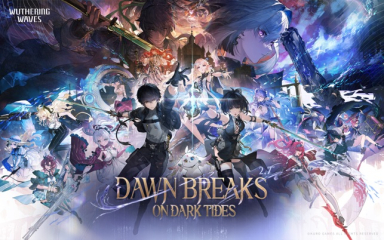
Wuthering Waves arrives with the kind of confidence you usually only see from a studio that knows it is aiming straight at the top tier of the action-RPG space. After spending time with it across PC and mobile, I can say this much: it is not trying to be a “good enough” open-world gacha. It wants to be a statement piece. And for the most part, it lands that ambition with style, speed, and a combat system that feels far more willing to reward timing and aggression than most of its peers.
If your first thought is whether this is one of those games you can download, install, and casually check out for free without feeling buried under systems, the answer is yes, with a few caveats. The game is generous in how it lets you play, but it is also layered. There is a lot going on under the hood, from character progression to echo farming to team construction, and that complexity is a big part of its appeal. It also means Wuthering Waves is best enjoyed by players who like systems they can learn, refine, and optimize over time instead of sprinting through content once and moving on.
Fast, reactive combat that gives the game its identity
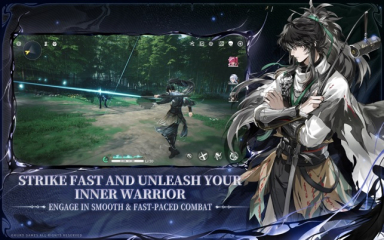
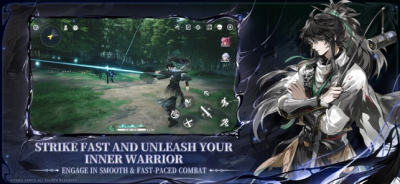
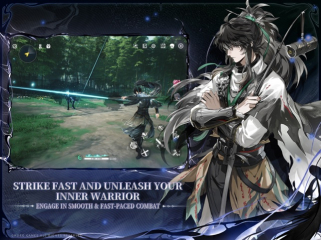
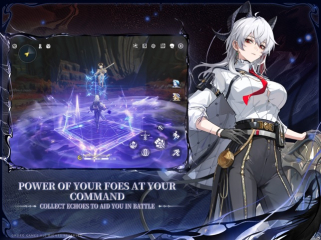
The strongest reason to play Wuthering Waves is the combat. That sounds obvious, but many action RPGs lose focus once the spectacle wears off. Here, the fights remain engaging because the game asks more of you than simply pressing abilities on cooldown. Dodging matters. Pacing matters. Reading animations matters. There is a satisfying push-pull between offense and defense, and when you get into the rhythm, battles feel genuinely interactive rather than decorative.
The character switching system deserves special praise. Rather than feeling like a backup mechanic, it is built into the flow of combat. Swapping at the right moment can extend combos, maintain pressure, and trigger strong follow-ups. That means team composition has real weight. You are not just collecting characters to fill slots; you are learning how their kits connect, how to set up bursts, and how to keep encounters moving without losing tempo.
As an experienced gamer, I appreciate when a game trusts the player to learn its language instead of flooding the screen with hand-holding. Wuthering Waves does that. It is flashy, yes, but it also has structure. Once you understand how the systems interlock, combat becomes more than visual noise. It becomes a skill test.
A world that looks rough in places, but still pulls you in
The post-apocalyptic setting is one of the game’s biggest strengths. It gives the world a stronger personality than the usual fantasy-new-world template. Ruined structures, strange weather effects, and eerie enemy designs create a sense that this place has history and damage, not just decoration. The atmosphere often does more work than the dialogue, and that is a good thing.
Exploration feels promising right from the start. Running, climbing, gliding, grappling, and traversal tricks make the map feel worth moving through. The game wants you to roam, pick outward routes, and check what sits beyond the obvious path. When the open world clicks, it gives off the same satisfying feeling you get in a strong exploration-focused game: the sense that the next little ridge might hide something useful, dangerous, or simply interesting.
That said, the world is not uniformly polished. There are moments where environmental detail feels uneven, and some zones are more memorable than others. Still, the core loop of moving through a broken landscape, discovering threats, and gathering resources holds up well. I found it easier to keep playing than I expected because the world encourages curiosity rather than passive checklist clearing.
Progression, rewards, and the long game
Like any modern free-to-play release, Wuthering Waves lives or dies on its progression systems. Happily, it gives you enough to chase. Building characters, tuning gear, improving echoes, and experimenting with loadouts provide a solid sense of growth. The game understands that a player needs frequent wins, even if the top-end optimization takes time.
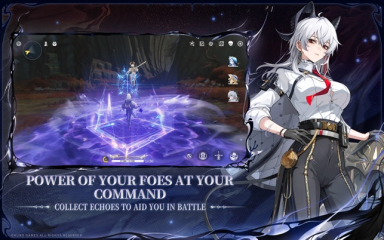
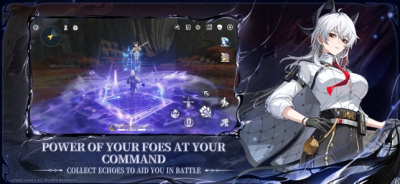
The echo system is one of the more distinctive parts of the experience. It adds a layer of collection and customization that can be either exciting or exhausting depending on your tolerance for repeat farming. For me, it leaned more toward rewarding because it gave battles a secondary purpose: not just clearing content, but hunting for usable combat modifiers and better setups. That kind of loop can be addictive if you enjoy tweaking builds.
There is also enough content structure to support both short sessions and longer grinds. If you want to log in, finish a few tasks, and leave, that works. If you want to sink an evening into optimization, that works too. The game knows it is being measured against bigger live-service competitors, so it keeps handing out reasons to come back.
Performance, presentation, and how it feels on different platforms
On PC, Wuthering Waves benefits from cleaner controls and better visibility, especially in combat-heavy scenarios where precision matters. On mobile, the game remains impressively functional, though as always, touch controls make some encounters less elegant. If you have a decent device, the mobile version is absolutely worth a look, but PC remains the best way to experience the game if you care most about responsiveness.
The presentation is strong, though not flawless. Character design has real flair, many animations are smooth, and certain enemy encounters look excellent in motion. The audio does important work too, especially in combat, where effects have enough impact to make hits feel weighty. The overall package feels premium enough to compete with larger names, even if some areas still show the strain of scale and ambition.
As for platforms, the game currently sits most comfortably on PC and mobile. If you are looking for console support, you may be left waiting or checking future announcements. There is no meaningful need to hunt for shady workarounds, and I would strongly avoid any sketchy download paths that promise altered clients, bypasses, or unofficial access. The proper route is always the safest one.
What holds it back
For all its strengths, Wuthering Waves does have friction points. The first is information density. It throws a lot at you fairly quickly, and not all of it is explained in the most approachable way. New players may need time to sort out what matters and what can wait. The second is pacing. While combat is excellent, the surrounding progression systems can occasionally slow things down with resource gates and repetition.
Another issue is that a game like this lives in the shadow of comparison. People will measure it against other large-scale action gacha games, and that creates pressure the game does not always fully escape. In some areas it feels ready to compete head-to-head; in others, it still feels like a challenger refining its footing. That is not a dealbreaker, but it does shape the overall impression.
I also want to be clear about cheats and mods. In a live-service game like this, unofficial cheats are a bad idea and can put your account at risk. Mods are not something I would recommend unless the developer explicitly supports them, which is rarely the case here. If you want a stable experience, stick to the official version and official updates.
Final verdict
Wuthering Waves is not just another free action RPG trying to ride a trend. It has its own combat identity, a moody world worth exploring, and enough progression depth to keep dedicated players invested. It is at its best when it lets you fully engage with movement, timing, and team synergy, and that is where it separates itself from more routine genre entries.
It is not perfect. The systems can be dense, certain parts of the world feel less refined than others, and the long-term grind may not suit everyone. But when the fighting opens up and the game lets you flow through encounters at full speed, it becomes easy to understand why people keep coming back. If you want a game to download, install, and really learn rather than briefly sample, Wuthering Waves is one of the more compelling options in the current action-RPG landscape.
How to download Wuthering Waves
Availability & Launch: Wuthering Waves is available as a free-to-play game through official stores and launchers. The safest way to download is through the game’s official website, the PC launcher, or trusted mobile app stores.
Platforms: The game is available on PC and Android, with iOS support depending on region and store availability. It is not a native console release at the time of writing, so no emulator is needed for the supported versions. If you are on an unsupported platform, the only legitimate option is to wait for an official release.
Install: On PC, download the launcher, sign in, and follow the prompts to install the game files. On mobile, open the app store listing, tap install, and let the game update before first launch.
System Requirements: On PC, expect to need a modern Windows system with a recent processor, 8 GB RAM or more, and a dedicated GPU for smoother play. On Android, a newer mid-range device is recommended for stable performance. Mac support is not standard, so Mac users may need to wait for official support rather than rely on workarounds.
Cheats / Mods: Cheats are not recommended and may lead to account penalties. Mods are generally not supported in the official version, so use only approved game files and updates.
Unblocked Access: Wuthering Waves is not designed for restricted school or work networks, and access may be blocked by filters. If you want to play safely and reliably, use a personal network and official download methods.