











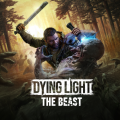
Dying Light: The Beast review

Dying Light: The Beast Review A Tense, Sharp, and Focused Survival Experience
Dying Light: The Beast arrives with the kind of confidence only a seasoned survival franchise can pull off. As someone who has spent far too many nights parkouring across ruined skylines while rationing supplies and second-guessing every dark hallway, I can say this entry understands what made the series memorable in the first place. It keeps the tight first-person movement, the tense day-night rhythm, and the sense that every rooftop is both a refuge and a risk. More importantly, it uses that foundation to create something that feels leaner, nastier, and more personal.
This is not a game that wastes time explaining its mood. The world tells you immediately what it is: broken routes, hostile pockets of civilization, shadowy interiors, and a constant undertone of predation. From the first hour, the fantasy is clear. You are not just surviving the outbreak; you are learning how to move through a place that wants you gone. That tension is where Dying Light: The Beast does its best work.
A harsher, tighter take on survival
The best change here is focus. Older entries spread themselves across large systems and side distractions, sometimes to the point where the central loop got diluted. The Beast trims that excess. Exploration still matters, but it feels more deliberate. You move with purpose, choosing routes, scavenging carefully, and deciding when to push deeper for better gear or when to turn back before your luck runs out. That sense of discipline makes the game stronger.
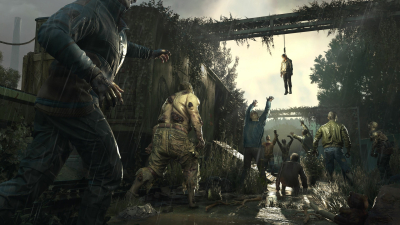
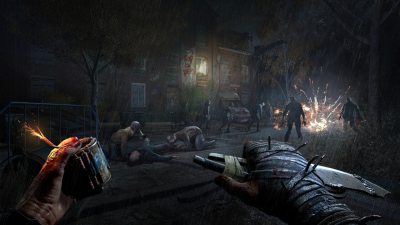
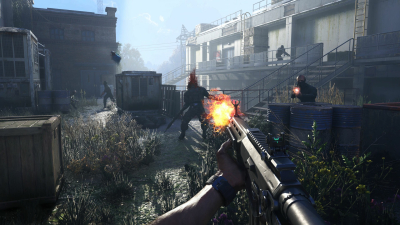
The combat follows the same philosophy. Encounters are physical and messy, but they are also more readable than in many comparable survival games. Against one enemy, you feel in control. Against several, the game starts asking real questions about spacing, stamina, and panic. That is where the tension becomes satisfying rather than frustrating. You are not simply mashing through enemies; you are managing the whole battlefield in your head.
There is also a sharper emotional angle this time. The title hints at it, but it is more than spectacle. The Beast leans into the idea of what happens when survival stops being purely practical and starts becoming personal. That gives the story extra weight, even when it is doing familiar post-apocalyptic work. I found myself more invested in the main thread than I expected because the game keeps the stakes close to the player, not just abstractly “saving the world,” but dealing with immediate, ugly consequences.
Movement still carries the whole experience
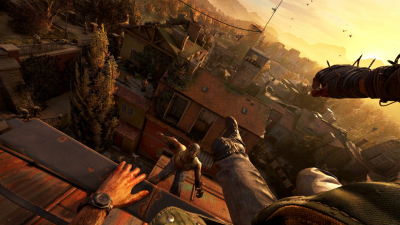
If there is one reason people keep returning to this series, it is movement. Dying Light: The Beast knows this and treats parkour like a core language rather than a gimmick. Jumping across uneven rooftops, sliding through tight gaps, clinging to ledges at the last second, and chaining movement into a clean escape remains deeply rewarding. Few games make traversal feel this tactile.
The level design supports that rhythm well. Even when the map is not huge in the way some open-world games are, it is densely useful. Streets are dangerous, rooftops are safer but not always clean, and interiors often conceal the best rewards if you are willing to risk a darker route. That constant push and pull keeps the pace alive. I rarely felt like I was just moving from marker to marker. I was solving the environment.
What impressed me most is how the game understands impatience. It does not punish fast thinking as long as your execution is sharp. If you have the nerve, you can turn a bad situation into a stylish escape. If you hesitate, the game makes you pay for it. That balance is hard to get right, and The Beast gets close enough to make every rooftop sprint memorable.
Night remains the series’ sharpest idea
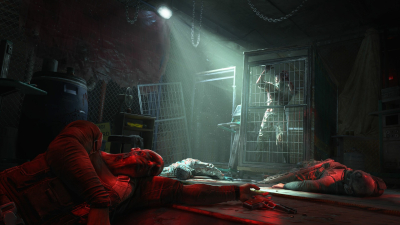
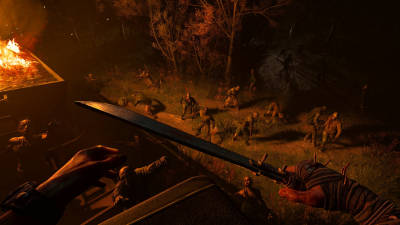
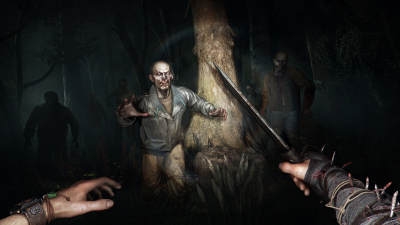
At night, Dying Light: The Beast becomes a different beast in all the right ways. The series has always used darkness effectively, but here the pressure feels more concentrated. Visibility drops, routes become less forgiving, and every sound seems to travel too far. The game does not rely on cheap shocks. It relies on the player’s own nerves.
That is important because it preserves the older magic: the fear is partly mechanical and partly psychological. You know where you need to go. You know the route is possible. The problem is getting there while your brain is yelling at you to stop. Very few action games can maintain that level of dread without turning it into monotony, and The Beast keeps it active by mixing familiarity with uncertainty.
This is also where the audio design deserves praise. Footsteps, distant movement, environmental noise, and the sudden escalation of danger are all mixed to keep you alert. A good headset makes a noticeable difference, but even on standard speakers, the game communicates enough to keep your instincts working. It is one of those rare titles where listening carefully is as valuable as aiming well.
Progression, gear, and the satisfaction of earning comfort
Progression in this game feels grounded. You are not instantly turning into an unstoppable legend. You work for every useful upgrade, every improved weapon, and every safer route. That matters because it gives the world texture. Your growing confidence is visible in how you move and how long you can stay out before retreating. The best upgrades change not just your numbers, but your behavior.
Gear management is similarly smart. The game encourages improvisation, but it does not feel random. When a weapon starts to fail or resources run low, you are pushed to adapt rather than wait for a perfect loadout. That keeps the loop lively and reduces the temptation to settle into one dominant strategy. I appreciated that, because it makes each success feel earned rather than optimized into boredom.
For players who like to tinker, there is always the usual conversation around cheats and mods. Dying Light: The Beast is much better when played straight first, because the tension is part of the design. Mods may appear later depending on the community and the chosen platforms, but any serious first playthrough benefits from the intended balance. Cheats can reduce the thrill quickly, and this is not the sort of game that improves when the danger is removed.
Performance, presentation, and the realities of modern release habits
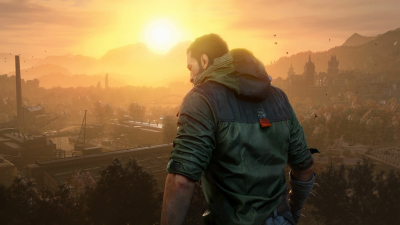
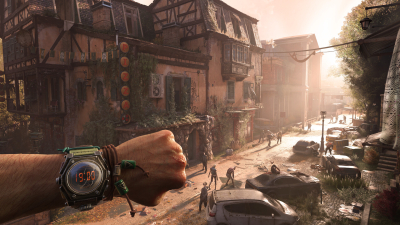
Visually, the game aims for atmosphere over pure spectacle, and that is the correct call. The art direction does a lot of heavy lifting. Rusted structures, torn interiors, improvised safe zones, and grimly beautiful skyline views all help sell the world. It is not flashy for the sake of being flashy, but it is consistently effective.
On supported platforms, I expect most players will care about performance before anything else, and the good news is that the game appears designed with modern hardware expectations in mind. Still, this is the kind of title where stable frame pacing matters more than screenshots. Fast movement, quick turns, and messy combat all benefit when the game remains responsive. If you plan to download it on PC, make sure your system is ready, because a game like this lives or dies by feel.
As for accessibility in general: this is not a free game at launch in the usual sense, so anyone looking to play should expect a standard purchase model unless a special promotion changes that later. If you want to install it on day one, do so through an official storefront or launcher tied to your chosen platform. That is the safest way to avoid broken files or questionable third-party uploads.
Who should play it?
Dying Light: The Beast is aimed at players who enjoy survival tension, physical movement, and a world that does not hand out comfort easily. If you like games that reward map knowledge, route planning, and quick decision-making, this one should land well. If you prefer a relaxed open world where combat is mostly decorative, you may bounce off its harsher edges.
For long-time fans, it feels like a confident refinement. For newcomers, it is a demanding but rewarding entry point, provided you are willing to learn the pace. I would not call it an easy recommendation for everyone, but I would absolutely call it a strong one for the right audience.
What gives it staying power is the way it respects player skill. It does not over-explain. It does not over-correct. It lets the systems speak. That confidence is rare, and it makes the game feel more authentic than many bigger or louder releases.
Verdict
Dying Light: The Beast succeeds because it understands the value of pressure. It wants you uneasy, but not helpless. It wants you to move fast, think fast, and remember that safety is usually temporary. The result is a survival action game that feels sharper than expected and more assured than many sequels or spin-offs in this space.
As an experienced gamer, I came away impressed by how little fat the game carries. The traversal is excellent, the atmosphere is strong, and the survival loop remains one of the best in the genre. It is not interested in being trendy. It is interested in being tense, kinetic, and consistently engaging. That alone makes it worth a look.
Score: 8.5/10
How to download Dying Light: The Beast
Availability & Launch: Dying Light: The Beast is expected to be available through official digital storefronts at launch. It is not a free title under normal release conditions, so plan for a standard purchase if you want to play legally and safely.
Platforms: The game is intended for modern platforms such as PC and current-generation consoles where supported by the publisher. If it is not available on a specific system, the best option is to download it on a supported platform or use official cloud streaming where provided. Unsupported platforms will not offer a native install, and emulator use is generally not recommended unless the publisher explicitly permits it.
Install: Buy or redeem the game from the official store, download the client files, run the installer, and follow the on-screen prompts. On console, install directly from your library. Keep the launcher updated before you play.
System Requirements: For PC, expect a modern 64-bit Windows system, a recent multi-core CPU, 16 GB RAM or similar, and a capable dedicated GPU. Mac and Android support should be treated as unavailable unless an official version is announced.
Cheats / Mods: Cheats are not part of the standard experience, and mods depend on community support and platform policy. Use only approved mods if they are available.
Unblocked Access: In restricted environments like school or work, access is usually blocked by network rules and platform login requirements. If you can play at all, it will typically require approved access outside those restrictions.