











Fear the Dark Unknown review

Fear the Dark Unknown: A Slow-Burn Horror Experience That Thrives on Tension
Fear the Dark Unknown is the kind of horror game that doesn’t need loud tricks to get under your skin. It leans into uncertainty, slow pressure, and the constant sense that something is just out of reach. As an experienced gamer, I’ve seen plenty of horror titles try to scare with cheap noise and scripted surprises. This one goes a different route. It wants you uneasy, watching shadows, listening for tiny changes, and second-guessing every step. That approach gives the game a stronger identity than many bigger-budget efforts.
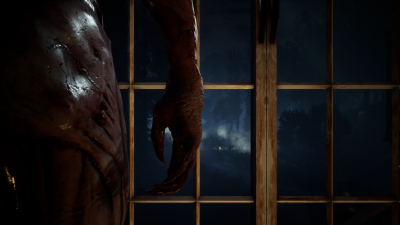
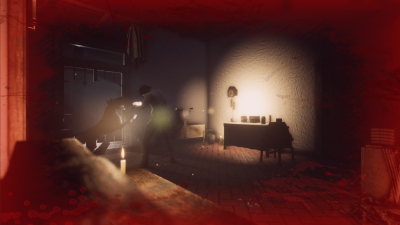
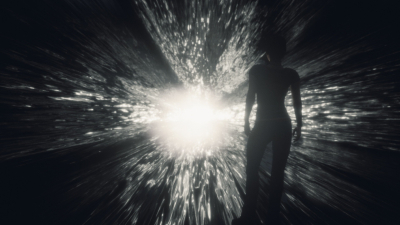
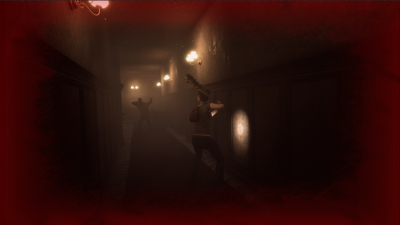
What stood out to me right away was how committed the game is to atmosphere. The darkness feels heavy, the spaces feel abandoned but not empty, and every room seems to hide a reason to be nervous. The title itself is basically the game’s thesis statement: fear comes from not knowing what is waiting ahead. That idea shapes the entire experience, from exploration to pacing to the way your own caution starts working against you.
A horror game built on pressure, not noise
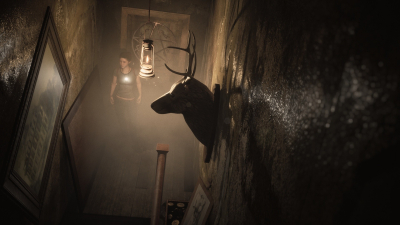
Fear the Dark Unknown is not trying to be a nonstop action-heavy scare fest. It works best when it slows down and lets the player sit with the tension. The lighting is restrained, the environment design is bleak in a good way, and the audio does a lot of the heavy lifting. Footsteps, distant creaks, and faint environmental sounds matter because they make you listen instead of rush forward.
That patience pays off. The game has a moody rhythm that pulls you in if you let it. I appreciated that it trusts the player to absorb the tension rather than over-explain everything. There’s real value in that restraint. Too many horror games tell you exactly when to panic; this one wants you to arrive at that point on your own.
Exploration keeps the suspense alive
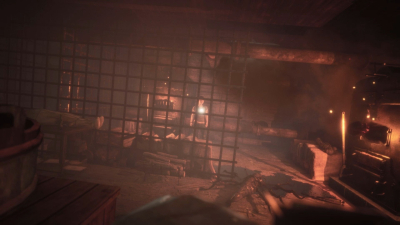
The best moments in Fear the Dark Unknown come from moving through unfamiliar spaces with limited comfort. The layout of each area encourages caution, and the game does a strong job of making ordinary movement feel loaded with risk. Even simple decisions, such as whether to continue deeper or turn back, carry weight because the environment always suggests that something unseen may be nearby.
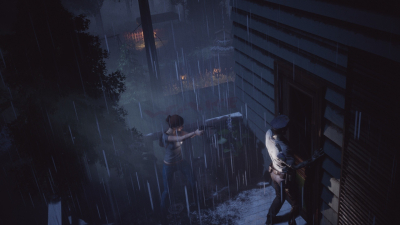
There’s also a steady feeling of vulnerability that keeps the experience grounded. You are not meant to feel powerful. You are meant to feel exposed, unsure, and only partially prepared. For horror fans, that is usually a good thing. The game understands that true dread is often more effective than spectacle. It lets your imagination do part of the work, and that is usually where the strongest fear lives.
Visual style and sound design do a lot of work
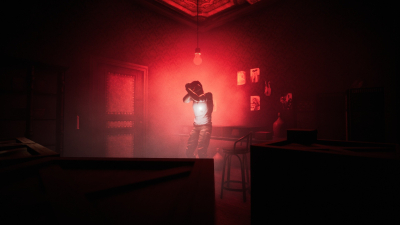
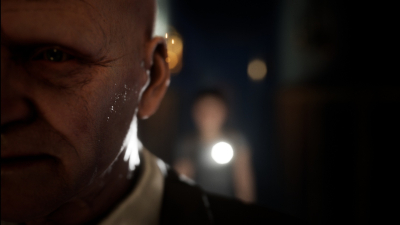
On the visual side, Fear the Dark Unknown uses darkness as more than just a setting. It becomes a mechanic of mood. Shadows obscure enough detail to keep you guessing, but not so much that the game feels messy. That balance is important. You don’t want horror to become frustrating because you can’t read the scene. Here, the image is clear enough to guide you while still holding back just enough information to keep the tension alive.
The sound design deserves equal credit. Horror lives or dies on audio, and this game gets that. It knows when to stay quiet and when to give you something subtle enough to make your shoulders tense. I liked that the game rarely overplays its hand. Instead of blasting your ears with constant shocks, it uses silence and small cues to keep your nerves active. That’s smarter design than many modern fright games manage.
Gameplay that favors caution over speed
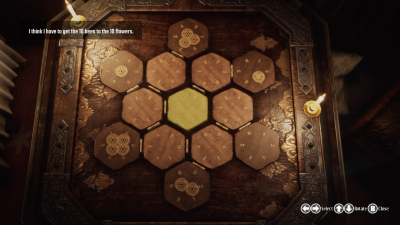
Mechanically, the game is at its strongest when it asks you to observe, react, and manage your nerves. It won’t satisfy players looking for fast combat loops or deep systems-heavy progression. This is more of an atmosphere-driven experience than a mechanics showcase. If you want to play something that rewards nerves, patience, and attention to detail, it fits the bill.
I’d say the pacing is a double-edged blade. On one hand, it reinforces the horror. On the other, players who prefer constant activity may find it slow. But that slowness is intentional, and in context it works. The title wants the space between events to matter. Every stretch of quiet is part of the design, not a pause before the “real” game starts.
Who this game is for
If you enjoy psychological tension, isolated settings, and horror that builds rather than shouts, Fear the Dark Unknown is worth your attention. If you prefer action-forward design, quick rewards, or heavy replay systems, it may not be your ideal pick. That said, I think the game earns respect for staying focused on one core mood and committing to it fully.
It also helps that the experience has a certain old-school sensibility. Not in a retro pixel way, but in the sense that it respects atmosphere and gives the player enough room to interpret threats personally. That usually makes horror more memorable. You don’t just see a scary thing; you feel the space around it.
Replay value, community talk, and extras
Fear the Dark Unknown is the type of game people may revisit for atmosphere more than systems depth. Once you know the route and the pacing, the immediate fear changes, but the presentation still holds up. That can make it useful for players who enjoy revisiting horror titles for mood, speed runs, or challenge-based runs if those become part of the community scene.
As for cheats and mods, that depends on the version and the platform. On many horror games, mods are limited or community-made rather than officially supported. Cheats may exist in trainer form on PC, but using them usually strips away the intended tension. Since this game is built around fear and uncertainty, I’d recommend a clean playthrough first. The atmosphere is the point.
For players searching for a free option, it’s worth checking official storefronts and periodic promotions. Sometimes horror titles appear in bundles, sales, or launch offers that make them easier to download without paying full price. Just be careful with unofficial sources promising an unblocked version, since those can be unreliable and unsafe. If you want to install the game properly, stick to trusted platforms.
Final verdict
Fear the Dark Unknown is a focused horror experience that understands the power of restraint. It doesn’t overload the player with systems or cheap scares. Instead, it leans into atmosphere, uncertainty, and the discomfort of being alone in a hostile space. That makes it more effective than many louder horror games that burn through their best ideas too quickly.
From a seasoned gamer’s point of view, the game succeeds because it knows exactly what it wants to be. It is lean, tense, and committed to keeping you off balance. If you’re looking for a horror title to play when you want mood over mayhem, this one deserves a spot on your list. It may not be for everyone, but for the right audience, it leaves a lasting impression.
How to download Fear the Dark Unknown
Availability & Launch: Fear the Dark Unknown can be accessed through official digital stores when available, and it may be offered as a paid title or during limited free promotions. Check the publisher’s listing to confirm current access before you download.
Platforms: The game is typically available on PC, while other platforms may be unsupported depending on the release. If you want to play on a device that is not officially supported, you may need cloud streaming or an emulator only if a legitimate version exists for that setup. Always verify the platform before you install.
Install: To install, purchase or claim the game from a trusted storefront, download the client or installer, then follow the on-screen setup steps. After installation, launch the game from your library and adjust settings before you play.
System Requirements: For PC, expect modest minimum hardware, such as a recent dual-core processor, 8 GB RAM, and a basic dedicated or integrated graphics card. Mac and Android support may be limited or unavailable, so check the official page for exact requirements before you try to install.
Cheats / Mods: Cheats and mods are not usually part of the standard experience, though PC communities may create unofficial options. Use caution, since unofficial tools can break stability or violate platform rules.
Unblocked Access: In restricted environments like school or work, unblocked access is unlikely through official channels. If a network blocks game traffic, you should use approved connections and legal access methods rather than bypassing filters.