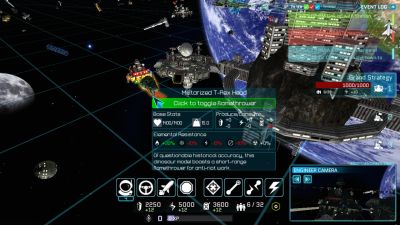













Habitat review

Habitat Review: A Patient, Atmospheric Game That Rewards Curiosity
Habitat is one of those games that sounds simple on paper, then quietly rearranges your expectations once you start to live inside it. As an experienced gamer, I’ve played plenty of titles that promise freedom, systems, and player-driven chaos, but Habitat takes a more unusual route. It is less interested in handing you a checklist and more focused on letting you understand a strange world through experimentation. That alone makes it stand out. If you’re looking for a polished blockbuster-style loop, this may not be your lane. If you want a game that rewards curiosity, patience, and a willingness to learn by doing, Habitat has real appeal.
What struck me first was how the game treats space. In many games, the map is a backdrop. Here, the environment is part of the conversation. Every area feels like it has a purpose, even when that purpose is not immediately obvious. That sense of discovery stays strong throughout the experience. You’re not just moving through a level; you’re decoding a place. For players who enjoy a thoughtful download and a slower burn, that can be more satisfying than constant spectacle.
A World Built Around Experimentation
Habitat’s biggest strength is the way it encourages play through observation. The game doesn’t rush to explain itself in a hand-holding way, which I appreciated. Too many modern titles flatten the learning curve until there’s nothing left to figure out. Habitat respects the old-school instinct to test, fail, adapt, and try again. That makes every breakthrough feel earned.
The systems are not always transparent, but that ambiguity works in the game’s favor. It creates a sense of lived-in design, as though the world existed before you arrived and will continue after you leave. That kind of confidence is rare. It also means the game is best enjoyed by players who like to install a title and spend time with it instead of expecting instant payoff.
From a mechanical perspective, Habitat thrives on player agency. You are never entirely passive, and the game rarely solves itself. That can be frustrating if you want a smooth guided ride, but for a certain kind of gamer, it is exactly why the experience sticks. It invites you to form your own little rituals, your own strategies, and your own routes through its systems.
Presentation: Functional, Atmosphere-First Design
Visually, Habitat leans more toward style through intent than pure technical showmanship. It doesn’t need to overwhelm you with effects to make an impression. Instead, it uses composition and mood to keep you engaged. I’m always drawn to games that understand restraint, and this one does. It knows when to let the player breathe and when to introduce just enough tension to keep the experience moving.
The sound design supports that approach well. There’s a quiet confidence in the audio work, and it contributes heavily to the feeling that you are operating inside a coherent ecosystem. I’d call it minimalist, but not empty. It gives the game a more grounded identity, which is helpful when the gameplay is built around interpretation rather than constant explanation.
Not every player will connect with the presentation right away. Some will want a more dramatic visual hook, especially if they’ve come expecting the sort of flashy delivery common in newer free titles on the market. But Habitat is not chasing that crowd. It is aiming for players who value an atmosphere that lingers after the session ends.
How It Plays Across Sessions
The more time I spent with Habitat, the more I appreciated its willingness to stay odd. Some games reveal their full shape in the first hour; this one keeps unfolding. That can be incredibly rewarding if you enjoy long-term mastery. It also means the game may not impress someone who treats every release like a quick weekend download. Habitat asks for more attention than that.
Replay value comes from understanding, not just content volume. You return because you want to test what you learned and push the systems further. That gives the game a lasting edge, especially for players who enjoy communities built around discovery, strategies, and even the occasional discussion of cheats or mods. While I don’t think Habitat is primarily about messing with balance, there’s no denying that games like this often inspire player-made tools and unconventional approaches.
Another point in its favor is how well it can fit different habits. Some players will want to devote a long run to it. Others will prefer shorter bursts, logging in for a focused session and then stepping away. That flexibility is useful, especially if you like to play in smaller chunks while keeping a larger picture in mind.
Performance and Access Considerations
One practical advantage of Habitat is that it feels approachable in terms of access. If you’re looking to install it and get moving without waiting through a heavy setup process, it tends to be the kind of game that respects your time. Availability varies depending on store and release version, but the general expectation is straightforward: find the appropriate page, download the client or installer, and play from there.
As for platforms, the safest way to describe Habitat is that it should be checked by region and version before purchase or download. Some games with similar profiles appear on PC first, while others receive expanded support later. If you’re searching for free access, you’ll want to confirm whether the current build is officially offered that way or whether any trial/demo version exists. I’d always recommend using the official source rather than chasing sketchy mirrors, especially if you care about a clean installation.
For players looking for unblocked access, that usually depends on where you’re trying to use it. School and workplace filters are a separate matter from the game itself. In most cases, if a network restricts gaming sites or game launchers, the game will not be conveniently unblocked without authorization. That’s less about Habitat and more about the environment you’re in.
Who Will Get the Most Out of It
Habitat is not a universal crowd-pleaser, and that is not a criticism. A lot of the best games aren’t. It’s best suited for players who want a sense of mystery, room to think, and systems that reveal themselves gradually. If your favorite moments in gaming come from figuring things out rather than simply clearing objectives, this could land well for you.
If you prefer constant onboarding, loud milestone rewards, or a game that immediately tells you what every button does, Habitat may feel opaque at first. But that opacity is part of the charm. The game rewards persistence. It rewards the kind of player who notices patterns and trusts the process. That makes it a strong fit for experienced gamers who miss older styles of design, even if the game itself is modern in structure and access.
Verdict
Habitat is a smart, moody, and quietly ambitious game that earns attention by refusing to be ordinary. It does not overexplain, and it does not pander. Instead, it invites you into a space where discovery matters more than speed. For some players, that will be enough to make it memorable. For others, it may feel deliberately elusive. I fall closer to the first camp.
If you’re deciding whether to download and install it, the real question is what kind of experience you want. If you want something free of hand-holding and rich in atmosphere, Habitat deserves a look. If you want a straightforward action loop, look elsewhere. But if you appreciate games that trust your intelligence and reward patience, this one has real character.
How to download Habitat
Availability & Launch: Habitat is typically accessed through official game stores or launchers, depending on the version available in your region. Check the store page to confirm whether it is free or requires a purchase before you download it.
Platforms: Platform support can vary by release, so verify the official listing for PC, Mac, or any mobile version. If a platform is not supported, there is usually no native download, and cloud play or an emulator may be the only workaround, if available.
Install: To install, open the official store or launcher, sign in, choose the game page, and follow the on-screen setup steps. After the files finish downloading, launch the game and apply any first-time setup prompts.
System Requirements: On PC, a modest modern processor, 8 GB RAM, and integrated or entry-level graphics are usually a safe starting point for similar games. On Mac or Android, check the store page for the current minimum specs, since they can change by version.
Cheats / Mods: Cheats and mods are not always officially supported. If the community has made mods, use them only if the developer allows them, and back up your files before changing anything.
Unblocked Access: Habitat is not guaranteed to be unblocked in school or work networks. If a network blocks game sites or launchers, you may need approved access or another connection to play.